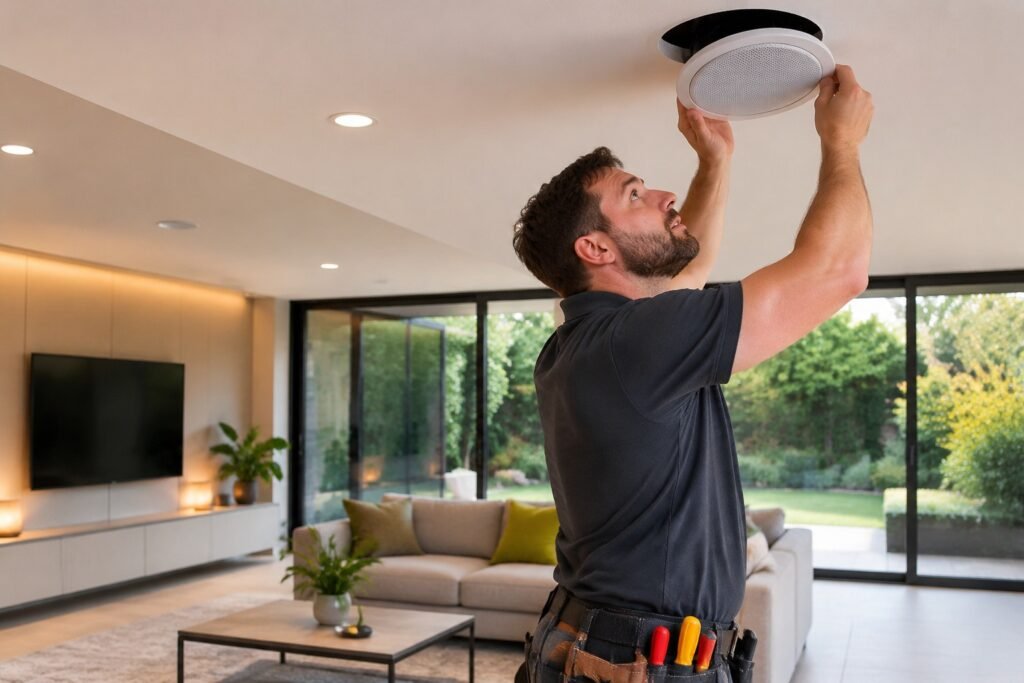
Technology is becoming more advanced, but that does not mean our homes, offices, and commercial spaces need to look more complicated. From invisible speakers and concealed displays to discreet security systems and integrated smart lighting, modern technology can now deliver powerful performance without dominating the appearance of a room.
This is where Hidden Technology Installation makes a difference. It combines innovative equipment, thoughtful planning, and professional installation to create clean, functional environments where technology works quietly in the background.
Whether you are designing a modern home, upgrading an office, or developing a luxury commercial property, understanding concealed technology can help you make better decisions about convenience, aesthetics, performance, and long-term value.
In this guide, we explore what hidden technology installation involves, how it works, its most important applications, and what to consider before investing in an integrated system.
What Is Hidden Technology Installation?
Hidden technology installation is the process of integrating electronic devices, cables, controls, and smart systems into a building so that they remain discreet or completely concealed from everyday view.
Instead of placing equipment around a room, installers incorporate it into walls, ceilings, floors, furniture, and architectural features. The objective is to maintain the functionality of modern technology while preserving the appearance and design of the space.
For example, a traditional home entertainment setup might include visible speakers, television cables, media players, and several remote controls. With a concealed installation, speakers can be integrated into ceilings, cables can run behind walls, and entertainment equipment can be stored in a dedicated cabinet.
The result is a more organised environment without sacrificing performance.
Common Types of Hidden Technology
Several technologies can be integrated into residential and commercial environments.
1. Concealed Audio Systems
In-wall and in-ceiling speakers provide high-quality sound without occupying shelves or floor space. They are particularly useful in living rooms, home cinemas, conference rooms, and hospitality environments.
2. Hidden Television and Display Systems
Televisions can be installed within custom cabinetry, behind motorised panels, or inside specially designed architectural features. Some installations allow displays to disappear when they are not being used.
3. Smart Lighting Integration
Lighting controls, sensors, dimmers, and automated switches can be integrated into a central smart home system. This allows occupants to adjust lighting without relying on multiple independent controls.
4. Concealed Security Systems
Security cameras, motion sensors, access controls, and alarm components can be positioned discreetly while maintaining appropriate coverage and functionality.
5. Hidden Cable Management
Structured wiring, network cables, power connections, and audiovisual connections can be routed through walls, ceilings, and dedicated service spaces.
These installations create a cleaner appearance and make everyday technology easier to manage.
Why Is Hidden Technology Installation Becoming So Popular?
Modern architecture increasingly focuses on simplicity, open spaces, and uncluttered interiors. Visible cables, oversized equipment, and disconnected control systems can interfere with that vision.
Hidden technology installation addresses these challenges by making technology part of the building rather than an obvious addition to it.
Here are some of the main reasons property owners are considering this approach.
1. A Cleaner and More Attractive Interior
One of the biggest advantages is visual simplicity.
Traditional installations often involve visible wires, wall-mounted accessories, speaker stands, and electronic equipment. These elements can make even an expensive interior feel crowded.
Concealed installations reduce unnecessary visual distractions.
For instance, a modern living room can feature built-in ceiling speakers, concealed wiring, integrated lighting, and a television that blends into custom cabinetry.
The technology remains accessible without becoming the main visual feature.
2. Better Everyday Convenience
A well-designed integrated system can make everyday activities easier.
Rather than operating several independent devices, users can control compatible systems through a central interface, wall-mounted keypad, or smartphone application.
Depending on the equipment, a single command might:
- Adjust the lighting.
- Lower motorised blinds.
- Activate the entertainment system.
- Set the preferred room temperature.
- Switch between different audio zones.
These features are especially useful in larger homes and commercial buildings where managing multiple devices individually can become inconvenient.
3. Improved Space Management
Concealing equipment can free up valuable space.
In smaller rooms, removing unnecessary speakers, cables, and electronic accessories can make the environment feel more open.
Commercial properties can benefit too. Meeting rooms, restaurants, hotels, and retail spaces often require sophisticated technology without sacrificing usable floor or wall space.
4. Greater Design Flexibility
Hidden technology gives architects, interior designers, and property owners more freedom.
Equipment can be incorporated during the construction or renovation process, allowing technical requirements to complement the overall architectural design.
This is particularly valuable in luxury properties where every visible detail contributes to the final appearance.
However, good design should always balance appearance with accessibility. Equipment that cannot be reached easily for maintenance may create unnecessary problems later.
Where Can Hidden Technology Be Installed?
Hidden technology is not limited to luxury residential properties. It has practical applications across several types of environments.
Hidden Technology in Modern Homes
Residential properties are among the most common applications.
Homeowners can integrate entertainment, lighting, security, networking, and climate controls into a coordinated system.
A typical smart home installation might include:
- Ceiling-mounted speakers in living areas.
- Concealed television wiring.
- Smart lighting and dimming controls.
- Automated curtains and blinds.
- Integrated home security.
- Centralised internet and networking equipment.
- Multi-room audio systems.
Imagine arriving home in the evening. Your lighting adjusts to a comfortable setting, your preferred music begins playing, and your living room is ready for entertainment.
These functions can operate through programmed routines, provided the devices and control platform are compatible.
Hidden Technology in Offices
Modern workplaces rely on technology for communication, collaboration, and productivity.
However, visible cables and poorly organised equipment can make professional environments look untidy.
Hidden installations can incorporate:
- Ceiling microphones and speakers.
- Concealed video conferencing equipment.
- Integrated presentation displays.
- Wireless presentation systems.
- Structured network cabling.
- Automated meeting-room lighting.
For businesses, the main objective is to create functional spaces where employees and visitors can use technology without dealing with complicated equipment.
Hidden Technology in Hotels and Restaurants
Hospitality environments require a balance between atmosphere, convenience, and technical performance.
Hotels can use concealed lighting controls, integrated entertainment systems, discreet access technology, and automated environmental controls.
Restaurants may benefit from background audio systems, concealed displays, and carefully positioned lighting equipment.
In these settings, hidden technology supports the customer experience without distracting from the interior design.
Hidden Technology in Commercial and Luxury Properties
High-end developments often incorporate advanced technology during the architectural planning stage.
This may include automated shading, integrated security, whole-building audio, smart lighting, and centralised control systems.
Planning these installations early can reduce visible equipment and avoid expensive modifications after construction is complete.
How Does the Hidden Technology Installation Process Work?
A successful installation involves more than concealing wires or placing devices behind walls. It requires careful planning, technical knowledge, and coordination with other professionals.
The exact process depends on the property and the complexity of the system, but most projects follow several important stages.
Step 1: Assess the Property and Requirements
The first stage is understanding how the space will be used.
An installer should consider the property’s layout, existing infrastructure, electrical requirements, internet connectivity, and architectural features.
For example, a homeowner interested in whole-house audio will have different requirements from a business installing a conference-room automation system.
This assessment helps determine which technologies are appropriate and where equipment should be positioned.
Step 2: Develop a Technology Plan
Once the requirements are clear, the next step is developing an installation plan.
This should identify:
- Equipment locations.
- Cable routes.
- Power requirements.
- Network connections.
- Control interfaces.
- Access points for maintenance.
- Compatibility between different devices.
A detailed plan reduces the likelihood of installation mistakes and helps coordinate the work with electricians, builders, and interior designers.
Step 3: Prepare the Installation Area
Depending on the project, preparation may involve creating openings in walls or ceilings, installing mounting brackets, routing cables, or preparing equipment cabinets.
For new construction, much of this work can be completed before plastering and finishing.
For existing properties, installers may need to use alternative cable routes or carefully planned access points to minimise disruption.
Step 4: Install and Integrate the Equipment
The selected devices are installed in their designated positions.
This might involve fitting speakers, installing concealed displays, connecting smart lighting modules, configuring network equipment, or integrating security components.
Professional installation is important because incorrect wiring, poor positioning, and incompatible equipment can affect performance and reliability.
Electrical work should be carried out by appropriately qualified professionals in accordance with applicable safety requirements.
Step 5: Configure and Test the System
After installation, each component needs to be tested.
The installer should check connectivity, audio performance, lighting controls, automation routines, network stability, and device communication.
Users should also receive clear instructions on operating the system.
A properly completed project should be tested under realistic conditions rather than simply confirming that individual devices switch on.
Step 6: Document the Installation
The final stage is often overlooked, but it is extremely important.
Property owners should receive relevant information about equipment locations, wiring routes, system settings, access points, and maintenance requirements.
This documentation makes future repairs, upgrades, and troubleshooting considerably easier.
What Should You Consider Before Choosing Hidden Technology?
Although concealed technology offers several advantages, it is not automatically the best solution for every property.
Making the right decisions before installation can prevent unnecessary costs and technical complications.
Budget and Installation Costs
The cost depends on the size of the property, equipment quality, installation complexity, and level of automation.
A simple concealed speaker installation will generally require a different budget from a complete smart home system involving lighting, security, entertainment, and climate controls.
It is important to consider the total project cost rather than focusing only on the price of individual devices.
Include installation labour, electrical work, network infrastructure, configuration, and future maintenance in your planning.
Equipment Compatibility
Not every smart device works with every automation platform.
Before purchasing equipment, confirm that the selected devices can communicate with the intended control system.
Where possible, prioritise established standards and products with reliable manufacturer support.
Avoid building an entire system around a single device without understanding its long-term compatibility and replacement options.
Maintenance and Accessibility
Concealing equipment should never mean making it impossible to service.
Network switches, amplifiers, power supplies, control modules, and other components may need occasional inspection or replacement.
Dedicated equipment cabinets and accessible service panels can help maintain a clean appearance without compromising practicality.
Future Upgrades
Technology changes quickly, and today’s equipment may eventually become outdated.
A flexible installation should include suitable cable pathways, spare capacity where practical, and accessible connection points.
Planning for upgrades during the initial installation is generally easier than opening finished walls several years later.
Professional Experience
Choosing an experienced installer can make a significant difference to the final result.
Look for professionals who understand electrical systems, networking, audiovisual integration, building layouts, and smart home platforms.
Ask to see previous projects, confirm product warranties, and request a clear explanation of what the installation includes.
A reliable professional should be willing to discuss limitations and practical alternatives rather than promising that every technology will work perfectly in every environment.
Frequently Asked Questions About Hidden Technology Installation
What is hidden technology installation?
Hidden technology installation involves integrating electronic equipment, cables, and smart systems into walls, ceilings, furniture, or architectural structures. It allows technology to operate without creating unnecessary visual clutter.
Is hidden technology installation expensive?
The cost varies according to the equipment, property size, installation complexity, and level of integration. Basic concealed wiring may be relatively affordable, while complete smart home and audiovisual systems require a larger investment.
Can hidden technology be installed in an existing home?
Yes. Many concealed technology systems can be installed in existing properties. However, the available installation methods depend on wall construction, ceiling access, existing wiring, and the condition of the building.
Does hidden technology require regular maintenance?
Yes. Although concealed equipment may need less visual attention, it still requires maintenance. Software updates, equipment checks, network troubleshooting, and occasional component replacement may be necessary.
Is hidden technology installation worth it?
It can be worthwhile for property owners who value clean interior design, convenience, integrated controls, and organised equipment. The best results come from selecting technology that genuinely improves everyday use rather than installing features simply because they are available.
Conclusion: Making Technology Invisible Without Losing Its Benefits
Hidden Technology Installation represents a practical approach to modern living and working environments. By integrating speakers, displays, lighting, security, networking, and automation into the structure of a property, it is possible to enjoy advanced functionality while maintaining a clean and organised appearance.
However, successful integration requires more than attractive design. Careful planning, compatible equipment, professional installation, accessibility, and future maintenance all play an important role.
Whether you are upgrading a family home, designing a modern office, or developing a luxury commercial space, the right installation can make technology feel like a natural part of the environment.
The best approach is to begin with your actual needs, identify the features that will provide lasting value, and consult an experienced technology installation professional before making major decisions. That way, you can create a space where technology works intelligently in the background while the design and functionality take centre stage.